Understanding the 2026 Nautilus Hybrid: How 310 Horsepower and 7.9 L/100 km Work Together
November 17 2025,
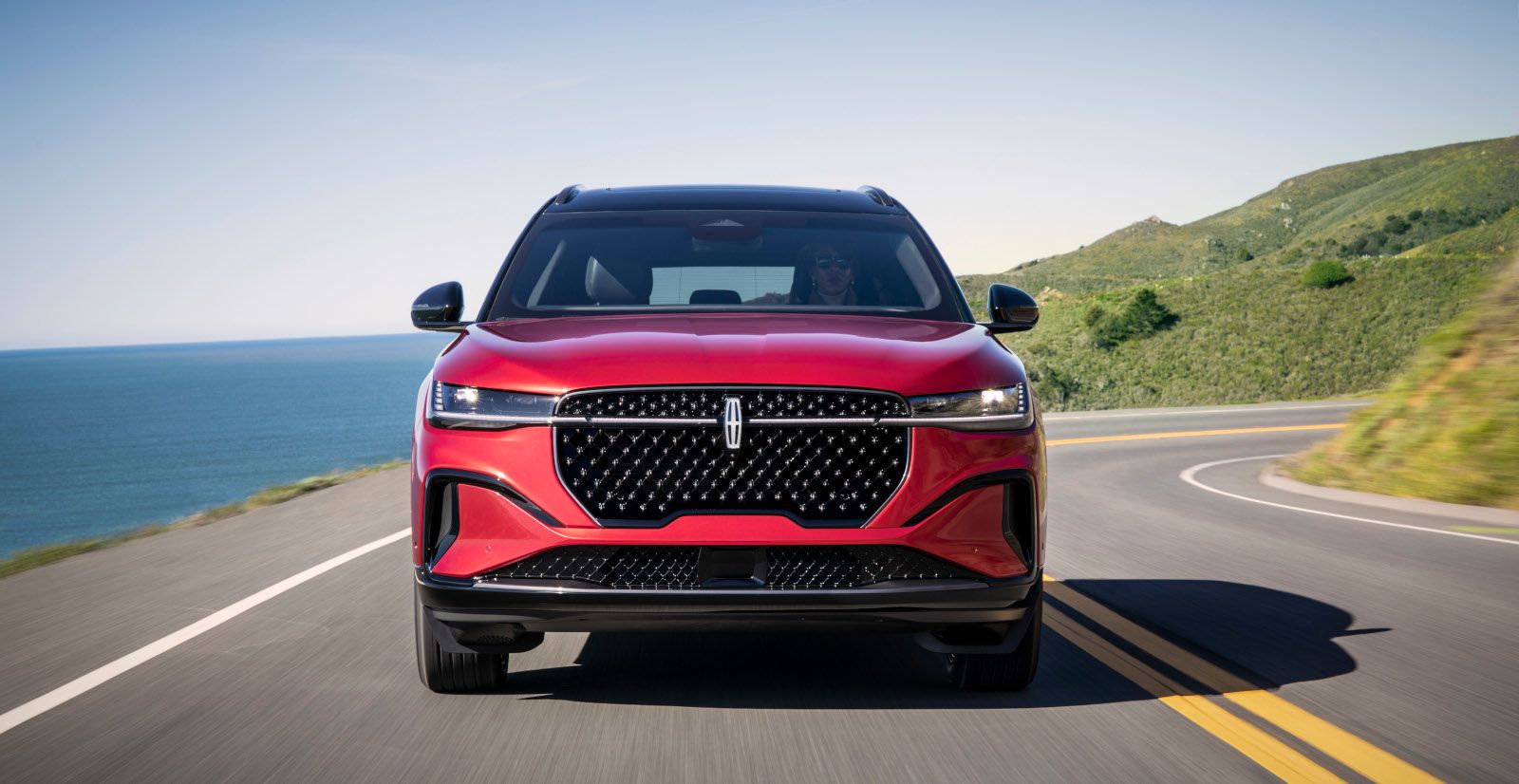
The 2026 Lincoln Nautilus hybrid delivers 310 combined horsepower while achieving a Natural Resources Canada-rated 7.9 L/100 km combined—a 20% improvement over the base 2.0-litre turbo's 9.9 L/100 km. For Ontario drivers weighing efficiency against performance, understanding this full-hybrid system reveals whether the special-order wait justifies the investment.
This isn't a plug-in hybrid requiring external charging. The system captures energy during braking, stores it in a battery, then deploys it to assist acceleration. The system manages itself automatically.
The Complete Powertrain
The Nautilus hybrid pairs a 2.0-litre turbocharged four-cylinder engine with a 100kW electric motor integrated through a continuously variable automatic transmission. The gasoline engine produces 250 horsepower and 280 lb-ft alone. Combined system output reaches 310 horsepower—60 horsepower more than the non-hybrid.
All-wheel drive comes standard, with the CVT transmission replacing the base model's eight-speed automatic. The battery pack mounts under the floor, maintaining identical interior dimensions to the non-hybrid.
How 310 Horsepower Works
The combined rating represents maximum power when both gasoline engine and electric motor operate at peak output simultaneously—typically during full-throttle acceleration on Highway 400 merges or passing maneuvers.
The electric motor's instant torque delivery creates responsive acceleration from low speeds. Unlike gasoline engines building power gradually, electric motors produce maximum torque immediately, making the hybrid feel quicker than the 60-horsepower difference suggests.
Achieving 7.9 L/100 km Efficiency
The NRCan combined rating represents a weighted average of city (7.4 L/100 km) and highway (8.4 L/100 km) driving. The non-hybrid achieves 9.9 L/100 km combined.
City efficiency gains come from:
- Regenerative Braking captures energy during stops that would normally convert to heat. Ontario urban driving creates frequent opportunities for energy recovery.
- Engine Stop-Start shuts the gasoline engine at traffic lights, with the electric motor powering systems.
- Electric-Only Low-Speed allows parking lot and residential street movement with the engine off.
- Load-Based Operation runs the gasoline engine only when needed, with electric assist reducing fuel consumption.
Highway efficiency shows smaller gains because sustained speeds require continuous power output, reducing alternating between gasoline and electric operation.
Real-World Ontario Consumption
Winter Operation reduces efficiency approximately 10–15% due to cold battery performance and increased heating needs—expect roughly 8.8–9.1 L/100 km combined in cold months.
Highway-Heavy Driving reduces hybrid advantage. Results approach the highway rating (8.4 L/100 km) for drivers averaging 70%+ highway miles.
City-Heavy Driving maximizes benefits. Alliston residents rarely leaving town achieve consumption closer to the city rating (7.4 L/100 km).
CVT Transmission Feel
The continuously variable transmission varies ratios continuously without traditional shift points. During acceleration, the engine holds steady RPM—creating sustained sound that differs from conventional transmissions.
Lincoln tunes the system to simulate gear steps during moderate acceleration, reducing the constant-RPM sensation. SelectShift paddle shifters provide manual control for engine braking on downhill grades.
The Special-Order Consideration
Lincoln designates the hybrid as "special order," creating:
- Extended Wait Times – Several weeks to months from order to delivery
- Limited Inventory – Cannot maintain ready-to-drive stock
- Complex Planning – Requires advance decision-making
This requirement represents a barrier for buyers expecting immediate delivery but allows planning for buyers committing ahead.
Who Should Choose the Hybrid
High-Mileage Commuters driving 25,000+ kilometers annually realize substantial savings. The 2.0 L/100 km improvement multiplied across high mileage produces meaningful cost reduction.
Stop-and-Go Drivers navigating Toronto congestion or urban environments appreciate electric-assist low-speed operation and regenerative braking.
Performance-Oriented Buyers wanting quicker acceleration value the 310-horsepower output and instant electric torque.
Who Should Choose the Non-Hybrid
Immediate Availability needs force the non-hybrid choice when waiting months isn't feasible.
Highway-Dominant Driving reduces hybrid benefits. Drivers spending 80%+ of miles at sustained speeds see minimal efficiency improvement.
Lower Annual Mileage (under 15,000 kilometers) reduces total fuel cost savings.
Calculating Your Savings
Example (25,000 km annually, 60% city / 40% highway):
- Non-Hybrid: 2,515 litres annually
- Hybrid: 1,950 litres annually
- Annual Savings: 565 litres
- At $1.50/litre: $848 yearly or $4,240 over 5 years
Your calculation differs based on mileage, city/highway ratio, and fuel prices.
Find Your Configuration at Trillium Lincoln
The Nautilus hybrid delivers substantial efficiency improvement and stronger performance compared to the non-hybrid. The special-order requirement adds complexity some buyers cannot accommodate.
Our Alliston team arranges hybrid test drives, explains ordering processes, calculates your potential savings based on actual patterns, and provides realistic timelines. Contact Trillium Lincoln today to begin your evaluation.